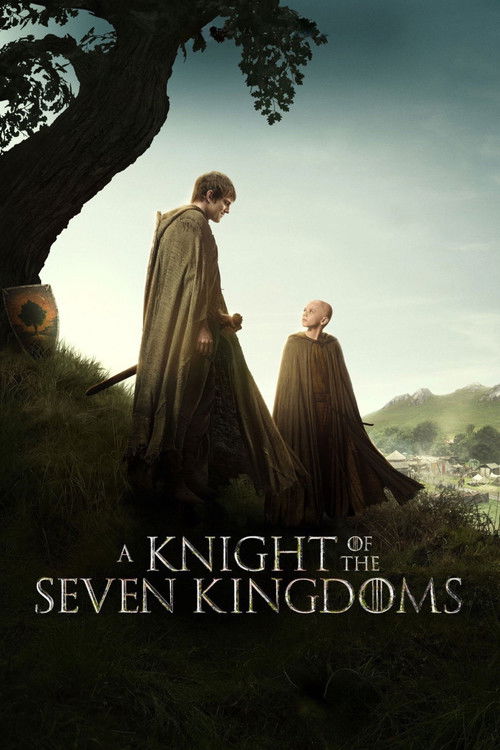
A Knight of the Seven Kingdoms — Season 1 Review: The Best Return to Westeros Because It Went Smaller
A Knight of the Seven Kingdoms nailed the Dunk & Egg magic: funny, heartfelt, and tense when it counts. Season 1 proved small stories can feel epic—now Season 2 has a huge bar. Bring on Sworn Sword!!!

Season 1 of A Knight of the Seven Kingdoms pulled off something the Game of Thrones universe desperately needed: it proved Westeros doesn’t always have to be a brutal cage match between dynasties to be gripping. By adapting George R.R. Martin’s The Hedge Knight into a tight six-episode run, the show leaned into a simpler engine—two travelers, a code of honor, and a world that tests that code at every turn—and it landed with real warmth and surprising punch.
The brilliance starts with the central duo. Ser Duncan “Dunk” the Tall (Peter Claffey) is exactly the kind of lead this franchise hasn’t had in a while: earnest, slightly out of his depth, and stubbornly decent even when it’s the worst possible strategy. Egg (Dexter Sol Ansell) is the perfect counterweight—sharp, nosy, and brave in a way that feels like trouble you can’t help but root for. Their chemistry is the show’s superpower, and it’s why the season plays like a buddy adventure without ever losing the edge that makes Westeros, well… Westeros. Rotten Tomatoes’ critics consensus even calls out how well it works in the “buddy-comedy arena,” and audiences largely agreed.
What makes Season 1 so loved is its tone control. It’s lighter than Thrones, but not weightless. The show lets you enjoy tourney life, campfire humor, and the charm of hedge-knight scrappiness—then reminds you that honor has consequences. That pivot culminates in the Trial of Seven arc, where the story’s “small” stakes suddenly feel enormous because you actually care about the people inside the armor. The finale’s big emotional gut-punch—Baelor “Breakspear” dying during the Trial of Seven—lands precisely because the season spent time making him feel like more than a royal title.
The supporting cast helps the world feel textured without turning the show into a lore encyclopedia. Aerion is a walking match near gasoline; Maekar is all contained pressure; Lyonel brings swagger and volatility; Tanselle adds heart and stakes beyond the jousting lanes; and Ser Arlan’s shadow hangs over Dunk in a way that keeps the “what makes a knight?” question alive. The finale even dares to mess with Dunk’s legitimacy—raising doubts about whether Arlan ever formally knighted him—which is exactly the kind of character-based tension this franchise does best when it’s not obsessed with spectacle.
And the season ends on a note that feels both satisfying and teasing. Dunk tries to walk away alone, Egg refuses to be left behind, and they set out again—pointing the story toward new roads (and new trouble). There’s even a playful post-credits wink that reframes Westeros as “nine kingdoms,” reminding you this show understands how to have fun in-universe without breaking it.
Why Season 2 now has massive expectations
Here’s the catch: Season 1 worked because it was confident in being “smaller.” That success immediately creates pressure for Season 2 to be bigger, darker, louder—especially because this is still a Thrones-adjacent franchise with an audience trained to expect escalation.
But Season 2 is already positioned with a clear path: it’s set to adapt The Sworn Sword and is officially in the works, with release currently pegged for 2027. That raises the bar in a few specific ways:
Keep the Dunk/Egg chemistry just as strong while shifting to a new, mostly fresh setting and conflicts (a built-in challenge of the novella structure).
Deliver a story that feels complete on its own (as Season 1 did) while still expanding the emotional stakes after that finale.
Satisfy book readers without losing the broader audience that showed up because “it’s the new HBO Westeros show.”
If they thread that needle—staying character-first, resisting empty escalation—Season 2 could be even better. If they chase hype, it risks becoming exactly what Season 1 cleverly avoided.