Project Hail Mary Review: A Thrilling Sci-Fi Page-Turner (Even If It Gets a Little Too Nerdy)
Project Hail Mary is an epic, can’t-put-it-down sci-fi ride—big stakes, real heart, and constant momentum. It sometimes dives too deep into the science weeds, but it’s a blast and a movie can’t come soon enough.
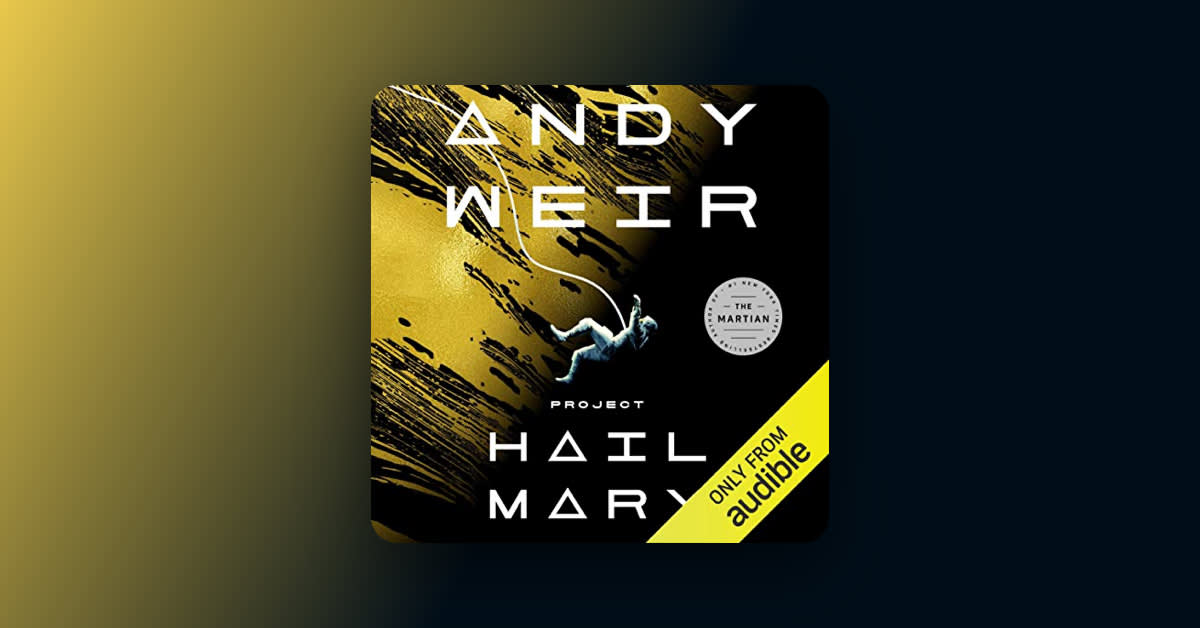
Project Hail Mary is the kind of book that reminds you why page-turners still matter. It’s big, cinematic, and relentlessly readable—an epic sci-fi survival story that moves like a blockbuster while still delivering the quiet, human moments that make the stakes feel real. Andy Weir builds the opening like a mystery: you’re dropped into a situation with no context, your narrator barely knows who he is, and every chapter peels back another layer of what’s happening and what’s already been lost. That structure is catnip. You don’t just want answers—you need them, and Weir doles them out with the confidence of someone who understands suspense as well as science.
The hook is simple and huge: Earth is in trouble on a planetary scale, and one man wakes up alone on a ship with the fate of humanity basically sitting on his shoulders. From there, the novel does what it does best—turns seemingly impossible problems into a chain of solvable puzzles, where each solution creates a new complication. The pacing is fantastic because it’s always doing two things at once: pushing the present-day survival forward and revealing the past through flashbacks that deepen the mission. Weir is great at building “oh no” moments that feel earned, then flipping them into “wait…maybe” moments that make you feel like you’re solving the problem alongside the character. It’s the literary equivalent of watching an engineer talk their way out of disaster in real time, and it’s addictive.
What really elevates the book, though, is its heart. Without spoiling specifics, Project Hail Mary isn’t just a “smart guy figures it out” story. It becomes something warmer—about trust, communication, loneliness, and what it means to choose courage when there’s no applause and no guarantee you’ll ever see home again. The relationships that form (and how they form) give the book emotional weight that The Martian only flirted with. It’s funny in a nerdy, anxious way, but it’s also surprisingly tender. There are scenes that feel like pure wonder—classic science fiction wonder—where the universe opens up and the book remembers to be joyful about discovery, not just terrified of extinction.
That said, the biggest flaw is also the most “Andy Weir” thing about it: sometimes it gets a little too in love with the math. The book can dive deep into the technical weeds—materials, calculations, step-by-step experimental logic—and while that’s part of the appeal for a lot of readers, it can also slow the emotional momentum. You’ll hit stretches where the story briefly feels like a brilliant lab notebook: fascinating, meticulous, and a bit exhausting if you’re not in the mood to track every variable. Weir usually keeps it clear, but the density can occasionally make you wish he’d cut one layer of explanation and let the narrative breathe.
There’s also the matter of voice. Weir’s narrators tend to be upbeat, problem-solving, and lightly comedic under pressure, and this book follows that pattern. It works because the character’s optimism is a survival tool, but it can sometimes flatten the emotional spectrum—like the story wants to crack a joke before sitting too long with fear or grief. The flashbacks help add dimension, but if you’re sensitive to “same-ish” protagonist energy across Weir’s books, you’ll notice the familiar rhythm.
Even with those flaws, Project Hail Mary is an absolute blast to read. It’s the kind of book you recommend instantly because it’s fun in the purest sense: high stakes, clever solutions, constant forward motion, and enough genuine emotion to make the science matter. It also sticks the landing in a way that feels satisfying rather than gimmicky—big, dramatic, and thematically consistent with what the story has been building all along.
And yes—this book practically begs to be a movie. It’s already structured like one: the cold open mystery, the escalating set pieces, the reveals, the spectacle, the emotional beats that could hit hard with the right performances. But the upcoming adaptation is going to have a lot to live up to, because the magic of Project Hail Mary isn’t just “space stuff.” It’s the internal voice, the pacing, and the way the book makes complex problems feel exciting rather than academic. Translating that balance—keeping the science smart without turning it into homework, keeping the humor without making it corny, and landing the emotional core without rushing it—is the real challenge.
If they get it right, it could be one of the best modern sci-fi films. If they get it wrong, it’ll feel like a glossy version of the plot without the book’s brain and soul. Either way, the bar is high—because Project Hail Mary is one of those rare reads that makes you feel both entertained and awe-struck, like you just watched humanity earn another chance through grit, intellect, and a little bit of wonder.