Weekend Box Office Recap: Godzilla Minus Zero Roars to No. 1 as The Cat in the Hat Disappoints
Godzilla Minus Zero roars to No. 1 with $31.6M domestic and $63M worldwide. The Cat in the Hat disappoints, Ramayana makes global waves, and November's box office rebounds.

The weekend of November 6–8, 2026 brought a monster-sized rebound to the box office, and Hollywood's biggest success story came from Japan.
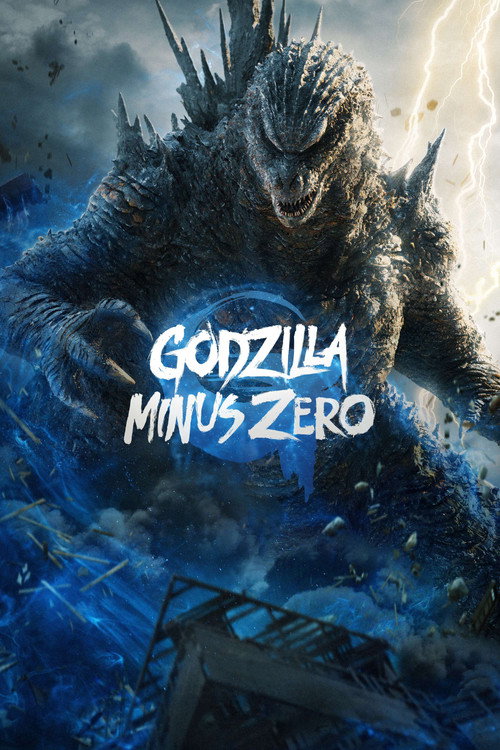
Godzilla Minus Zero opened at No. 1 with an estimated $31.6 million domestic weekend, making history as the biggest North American opening ever for a live-action foreign-language film. The Toho production added $31.4 million internationally, giving it a massive $63 million worldwide debut.
That is an extraordinary result for a Japanese-language film, particularly one reportedly produced for less than $20 million.
Meanwhile, Warner Bros.' animated The Cat in the Hat opened in second place with $20.5 million domestic, a disappointing result for a well-known Dr. Seuss property. Angel Studios' Drummer Boy debuted in third, You Can See Everything continued its remarkable documentary run, and the Indian mythological epic Ramayana: Rise of a Legend emerged as one of the biggest movies in the world.
After Halloween delivered one of the year's weakest domestic weekends, audiences returned to theaters in substantial numbers.
The message was clear: November is off to a much stronger start.
Godzilla Minus Zero Makes Box Office History
The weekend's biggest story was Godzilla Minus Zero.
Directed by Takashi Yamazaki, the film opened to $31.6 million domestically from 3,254 theaters, giving GKIDS and Toho a historic theatrical victory.
The opening surpassed the previous record for a live-action foreign-language film in North America, held by Zhang Yimou's Hero, which debuted with $17.8 million in 2004.
That is not a small improvement. Godzilla Minus Zero nearly doubled the previous benchmark.
The film follows the enormous success of 2023's Godzilla Minus One, which earned international acclaim, won an Academy Award for visual effects, and eventually grossed approximately $57 million domestically.
The new movie has already earned more than half of that predecessor's entire North American theatrical total in just three days.
What makes the result especially impressive is that the film is not an English-language Hollywood adaptation designed specifically for Western audiences.
It is a Japanese production that has managed to turn an internationally recognizable character into a genuine theatrical event.
That distinction matters.
Godzilla has always had global recognition, but recent films have taken the franchise in different creative directions. Hollywood's MonsterVerse has emphasized large-scale spectacle and interconnected franchise storytelling.
Yamazaki's approach has instead combined massive destruction with more intimate human drama and the franchise's Japanese cinematic identity.
Audiences appear to be responding to that combination.
Domestic Top 10
Here is the estimated domestic top 10 for November 6–8, 2026, based on Sunday studio estimates:
- Godzilla Minus Zero - $31.6 million
- The Cat in the Hat - $20.5 million
- Drummer Boy - $9.3 million
- You Can See Everything - $8.9 million
- Ramayana: Rise of a Legend - $8.7 million
- Wildwood - $7.0 million
- Clayface - $6.7 million
- Wild Horse Nine - $6.0 million
- Stray Kids World Tour: Run It Live Viewing - $3.7 million
- Wicker - $3.4 million
Note: These are rounded Sunday estimates from the broader industry-reported chart. Individual tracking services differ slightly on the totals and placement of some releases, particularly event programming and Ramayana.
IMAX Becomes a Major Part of Godzilla's Success
One of the most interesting aspects of Godzilla Minus Zero is how much of its opening came from premium theatrical formats.
IMAX contributed approximately $12.7 million domestically, accounting for roughly 40% of the movie's North American opening.
Including Dolby Cinema and other premium large-format screens, premium formats represented approximately 74% of domestic ticket sales.
That is remarkable.
The film has become another example of audiences treating the theatrical format itself as a reason to go to the movies.
Christopher Nolan's The Odyssey demonstrated this during the summer, turning IMAX screenings into destination events.
Now a Japanese-language monster movie is delivering a similar effect.
The opening also reinforces how important premium experiences have become to the economics of movie theaters.
Audiences are increasingly willing to pay more when they believe a movie benefits from an enormous screen, powerful sound, and a genuinely immersive environment.
For Godzilla, that proposition is particularly compelling.
The character was built for spectacle, and the latest film is giving audiences a reason to experience that spectacle in theaters rather than waiting for streaming.
The Cat in the Hat Opens Below Expectations
The weekend's biggest disappointment was Warner Bros.' new animated adaptation of The Cat in the Hat.
The film opened with $20.5 million domestically from 4,003 theaters, adding another $10 million internationally for a $30.5 million worldwide debut.
For a major animated release built around one of the most recognizable children's book characters in history, that is a soft start.
The movie reportedly cost approximately $92 million to produce, making its opening performance concerning.
The character has been familiar to generations of readers since Dr. Seuss published the original book in 1957.
This new adaptation features Bill Hader as the voice of the Cat and attempts to introduce the property to a younger generation through modern animation.
But recognizable source material did not translate into a major opening.
The comparison with previous Dr. Seuss adaptations is revealing.
The Lorax opened to approximately $70 million domestically in 2012, while Illumination's The Grinch debuted with around $67 million in 2018.
Even the widely criticized 2003 live-action Cat in the Hat adaptation opened to roughly $38 million, not adjusted for inflation.
The 2026 version fell well below all three.
That does not automatically mean the movie is doomed. Family animation can show stronger legs than many other genres, especially when children enjoy the film.
And audience response offers some encouragement.
The movie earned an A CinemaScore, suggesting families who attended were generally satisfied, despite substantially weaker critical reviews.
Still, Warner Bros. will need strong holds through Thanksgiving and additional international support to improve the financial picture.
Drummer Boy Gives Angel Studios Another Targeted Opening
Angel Studios' Drummer Boy opened in third place with approximately $9.3 million domestically.
The film played in 2,850 theaters and attracted an audience interested in faith-centered holiday entertainment.
That is a respectable launch for a release operating outside the traditional studio blockbuster system.
Angel Studios has developed a recognizable distribution model built around targeted outreach, community engagement, and audiences seeking films that reflect their interests and values.
The company has previously demonstrated that this approach can generate meaningful theatrical results.
Drummer Boy fits that strategy.
It also benefits from the calendar.
Opening in early November gives the film time to reach audiences as interest in Christmas and holiday-themed entertainment increases.
The challenge now is maintaining that opening-weekend engagement.
Unlike a major franchise sequel, a film like Drummer Boy may depend heavily on community recommendations and repeat attendance from its core audience.
Still, the opening shows that targeted theatrical programming remains a meaningful part of the box office.
You Can See Everything Keeps Defying Expectations
One of the year's most unusual theatrical success stories continued its remarkable run.
A24's You Can See Everything earned approximately $8.9 million in its fourth weekend, declining only about 23% despite losing more than 700 theaters.
That is an excellent hold.
The Nathan Fielder and Lance Oppenheim documentary about Elizabeth Holmes has now reached approximately $79.8 million domestically.
Few documentaries in modern theatrical history have approached that level.
The movie initially attracted attention because of its controversial subject, unusual filmmaking style, and Nathan Fielder's devoted audience.
But its staying power suggests something broader.
The film has developed into a genuine cultural conversation, bringing viewers to theaters well beyond the usual documentary audience.
It is also an important financial story for A24.
The documentary was reportedly produced for approximately $7 million, making its domestic performance especially impressive relative to its cost.
There is also a larger lesson here.
Moviegoers do not automatically avoid nonfiction storytelling.
They avoid movies that fail to create a compelling reason to experience them theatrically.
You Can See Everything has demonstrated that a documentary can become an event when the subject matter, filmmaker, and cultural conversation align.
Ramayana: Rise of a Legend Makes an International Statement
One of the weekend's most significant global stories belonged to Ramayana: Rise of a Legend.
The Indian mythological epic earned approximately $8.7 million domestically over the three-day weekend, with its broader North American opening reaching approximately $12.2 million when earlier performances were included.
The film also opened with enormous international interest.
Globally, Ramayana reached approximately $55.7 million, making it the second-largest worldwide release of the weekend behind Godzilla Minus Zero.
That is a substantial achievement.
The film is the first installment of an ambitious two-part adaptation of the ancient Indian epic, directed by Nitesh Tiwari and featuring major Indian stars including Ranbir Kapoor and Yash.
The combined production has reportedly carried a budget of approximately $500 million, making it one of the most ambitious and expensive projects in Indian filmmaking.
Its opening demonstrates the growing importance of Indian cinema in the global theatrical marketplace.
The movie's North American release was also unusually wide for an Indian film, reflecting confidence in its ability to reach diaspora audiences and expand beyond traditional regional distribution.
A global opening above $55 million does not guarantee financial success for a project of this scale.
But it establishes a meaningful starting point and reinforces the worldwide reach of Indian filmmaking.
Wildwood Shows Encouraging Staying Power
Laika's stop-motion fantasy Wildwood continued to hold better than its initial opening suggested.
The film earned approximately $7 million domestically in its third weekend, declining around 22% from the previous frame.
Its domestic total has now reached roughly $39.8 million.
That is a solid hold for an original animated movie, especially one facing competition from The Cat in the Hat and several new releases.
However, the larger financial picture remains difficult.
Wildwood reportedly cost around $100 million to produce, making its box office requirements much higher than those of smaller animated projects.
The movie has received encouraging audience reactions and benefits from Laika's reputation for unusual visual storytelling.
But original animation remains a tough sell in a marketplace where families often prioritize familiar franchises.
Its global total has now reached approximately $56.4 million.
That is meaningful revenue, but it still leaves considerable ground to cover relative to its production costs.
The encouraging part is that audiences continue showing up.
If the film can maintain its relatively modest declines, it may continue finding viewers through November.
Clayface Continues Its Modestly Budgeted DC Run
DC Studios' Clayface earned approximately $6.7 million domestically in its third weekend.
That brings its domestic total to approximately $56.6 million.
Globally, the film has reached roughly $109 million.
For a comparatively modest, R-rated comic-book horror movie reportedly costing about $44 million to produce, that is a useful commercial result.
The film has not become a giant franchise blockbuster, but it was not designed around the same economics as a $200 million superhero spectacle.
Instead, Clayface represents a more contained approach to comic-book storytelling.
It blends recognizable DC intellectual property with genre filmmaking and a distinct creative identity.
The result may be particularly relevant as superhero studios search for alternatives to increasingly expensive crossover productions.
Not every comic-book character needs a massive theatrical event.
Some may be better suited to smaller stories with more manageable budgets and more clearly defined audiences.
Wild Horse Nine Opens as Awards-Season Counterprogramming
Searchlight Pictures' Wild Horse Nine opened with approximately $6 million domestically from 1,100 theaters.
The dark comedy, directed by Martin McDonagh and starring Sam Rockwell and John Malkovich, follows two CIA officers sent to Easter Island during the period surrounding Chile's 1973 military coup.
That is not a conventional commercial premise.
But McDonagh has developed a following through films like In Bruges, Three Billboards Outside Ebbing, Missouri, and The Banshees of Inisherin.
His blend of dark humor, morally complicated characters, and distinctive dialogue gives the movie an identifiable audience.
The opening is especially interesting because the film played in far fewer theaters than most of the weekend's major releases.
With a planned expansion, the next several weekends will provide a better picture of its commercial potential.
The movie could also benefit from awards-season attention if reviews and industry enthusiasm remain strong.
For Searchlight, this is the kind of adult-skewing specialty release that can build gradually rather than relying entirely on opening weekend.
Stray Kids Demonstrates the Power of Global Music Fandom
The Stray Kids Run It live-viewing event earned approximately $3.7 million domestically, making it one of the weekend's notable theatrical events.
The worldwide result was even more impressive.
International markets contributed approximately $10.2 million, giving the concert presentation a $13.9 million global weekend.
That is a significant performance for event programming.
Music-based theatrical releases continue to demonstrate their ability to mobilize dedicated fan communities.
Instead of relying on conventional advertising and broad general-audience awareness, these events benefit from deeply engaged global fanbases.
The theatrical appeal is communal.
Fans are not simply watching a performance. They are sharing the experience with other fans, often during a limited window.
This makes music events a valuable complement to traditional theatrical releases.
Wicker Rounds Out the Top 10
The fantasy romance Wicker earned approximately $3.4 million domestically, bringing its domestic total to about $19.9 million.
The Olivia Colman and Alexander Skarsgård film has shown respectable staying power after a modest debut.
Its performance is particularly encouraging given its reported production budget of around $10 million.
Unlike expensive studio releases that require major global success, smaller films can build viable financial outcomes through more limited theatrical runs.
Wicker has also benefited from international expansion, giving it opportunities beyond its North American audience.
It remains an example of how distinctive adult-oriented films can find space when their budgets match realistic audience demand.
Specialty Releases Begin Their Awards-Season Runs
Two new limited releases delivered especially strong per-theater results.
A24's Club Kid, written, directed by, and starring Jordan Firstman, earned approximately $390,583 from six theaters, producing an impressive per-theater average above $65,000.
Amazon MGM's I Play Rocky, a film about Sylvester Stallone's efforts to bring the original Rocky to the screen, earned approximately $345,000 from seven theaters.
That represents nearly $49,300 per theater.
Both movies are expected to expand around Thanksgiving.
These openings are important because specialty films often need a different distribution strategy from wide studio releases.
Rather than opening immediately on thousands of screens, distributors can use concentrated early demand to generate reviews, word-of-mouth, and awards-season attention.
The strong averages suggest both films have an opportunity to build as the holiday movie season approaches.
The Bigger Story: November Starts With a Major Box Office Rebound
The weekend's strongest industry news may be the overall market.
After Halloween contributed to one of the weakest weekends of the year, domestic ticket sales nearly doubled.
According to Rentrak, the overall marketplace increased approximately 97% compared with the previous weekend.
Year-to-date domestic revenue has reached approximately $8.6 billion, around 20% ahead of the same period in 2025.
That is a meaningful improvement.
The weekend also demonstrated that the theatrical marketplace is not dependent on a single category of movie.
A Japanese-language monster film won the weekend.
A major American animated adaptation finished second.
A faith-centered holiday release took third.
A documentary continued one of the year's strangest commercial runs.
An Indian mythological epic delivered a massive worldwide opening.
Original stop-motion animation, comic-book horror, international concert programming, and adult-oriented awards contenders all contributed.
That kind of variety is exactly what theaters need.
Looking ahead, November's release calendar offers several opportunities for further growth.
Major titles scheduled for the coming weeks include Ebenezer, The Hunger Games: Sunrise on the Reaping, Focker in Law, and Disney's animated Hexed.
If those releases perform well, Hollywood could finish 2026 with one of its strongest post-pandemic domestic box office years.
International Box Office
Internationally, Godzilla Minus Zero was the biggest film in the world.
The Japanese-language blockbuster earned $31.4 million overseas, giving it a $63 million worldwide debut.
Japan contributed approximately $17 million, while its international release benefited from strong premium-format attendance.
IMAX generated approximately $21.3 million globally, a remarkable result for a Japanese production.
The worldwide performance confirms that the film's appeal extends well beyond its home market.
Ramayana: Rise of a Legend was the second-largest film globally, earning approximately $52.2 million worldwide during the three-day weekend and reaching $55.7 million cumulatively.
Its international weekend earnings totaled approximately $43.5 million, led by India.
That makes it one of the most important global box office stories of the weekend and a major international launch for Indian cinema.
The Cat in the Hat earned approximately $10 million internationally, bringing its worldwide debut to $30.5 million.
That remains a soft start for a well-known animated property with a reported $92 million production budget.
Stray Kids: Run It Live Viewing earned approximately $10.2 million overseas and $13.9 million worldwide, demonstrating the global power of dedicated music fandom.
Clayface added approximately $6.8 million internationally, pushing its worldwide total to about $109 million.
Wildwood earned around $3.6 million overseas, bringing its cumulative global total to $56.4 million.
Wild Horse Nine opened with $6.6 million internationally, giving it a $12.6 million worldwide debut.
Finally, You Can See Everything earned approximately $9 million globally for the weekend, including minimal international revenue. Its worldwide cumulative total is approaching $80 million, with nearly all of that coming from North America.
Bottom line: Godzilla Minus Zero delivered a historic $31.6 million domestic opening and a $63 million global debut, proving that Japanese-language cinema can compete directly with Hollywood's biggest releases. The Cat in the Hat disappointed, Ramayana demonstrated enormous international reach, and November began with a major rebound for movie theaters.