Weekend Box Office Recap: Other Mommy Scares Up No. 1 as Horror Keeps Owning 2026
Other Mommy opened No. 1 with $27.5M domestic and $45.2M worldwide, giving horror another 2026 win as Verity held strong and The Social Reckoning flopped.

The weekend of October 9–11, 2026 gave the fall box office another horror winner.
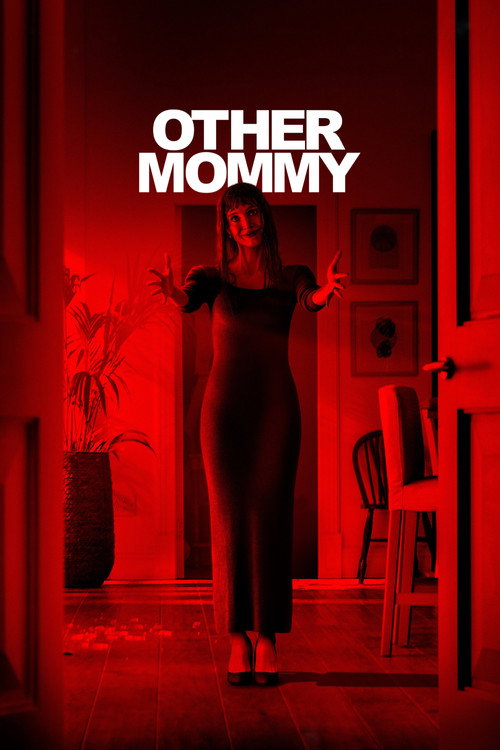
Universal and Blumhouse’s Other Mommy opened at No. 1 with an estimated $27.5 million domestic weekend from 3,365 theaters. Globally, the Jessica Chastain-led horror film launched to about $45.2 million worldwide, including $17.7 million internationally.
That is a strong start for an original horror release, especially one carrying poor critical reviews. The movie reportedly cost around $18 million to produce, which means its opening weekend already put it in a solid position financially.
The rest of the weekend was a mix of holdovers, soft prestige openings, and another reminder that audiences continue to reward movies with a clear theatrical hook. Verity held second, Heart of the Beast and Resident Evil kept adding, and Aaron Sorkin’s The Social Reckoning opened softly despite its recognizable connection to The Social Network.
The message of the weekend was familiar but still important: horror is not slowing down.
Other Mommy Opens No. 1 Despite Bad Reviews
The biggest story of the weekend was Other Mommy.
The movie opened to $27.5 million domestic, easily taking the top spot and adding another successful 2026 horror launch to the calendar. The result is even more notable because reviews were harsh. This was not a critic-driven opening. It was a genre-driven opening.
That has become one of horror’s biggest advantages. Audiences do not always need strong reviews if the premise is clear, the marketing is effective, and the movie feels like a fun or scary theatrical experience. In this case, Jessica Chastain’s presence, Rob Savage’s genre credibility, Blumhouse’s brand, and October timing gave the film enough momentum to break through.
The economics also matter. With a reported $18 million budget, Other Mommy did not need superhero numbers to be a win. A $45.2 million worldwide launch gives it a strong start and reinforces why studios keep betting on horror: the upside is high, and the risk is usually more manageable than large-scale tentpoles.
Domestic Top 10
Here is the estimated domestic top 10 for October 9–11, 2026:
- Other Mommy — $27.5 million
- Verity — $11.5 million
- Heart of the Beast — $7.1 million
- Resident Evil — $5.8 million
- Forgotten Island — $4.5 million
- Primetime — $4.0 million
- The Social Reckoning — $4.0 million
- Digger — $3.2 million
- Angel and the Badman — $2.1 million
- The Odyssey — $2.0 million
Horror Is Still the Box Office’s Safest Bet
The success of Other Mommy fits the larger 2026 trend: horror has become the year’s most reliable theatrical engine.
This year has already seen major horror wins from Obsession, Backrooms, Resident Evil, Insidious: Out of the Further, and now Other Mommy. Some of those movies were original. Some were franchise plays. Some were internet-driven. Some were studio-backed releases with familiar stars. The common thread is simple: the genre keeps bringing people to theaters.
That flexibility is what makes horror so valuable. It can work at different budget levels, with different marketing strategies, and across different release windows. October obviously helps, but 2026 has shown that horror does not need Halloween to perform. It has worked all year.
The current domestic horror total for 2026 is reportedly around $1.28 billion, putting the genre within reach of last year’s record. That is a major industry story. In a market where expensive prestige dramas and some major franchises have struggled, horror keeps producing profitable, clearly defined theatrical wins.
Verity Holds Second After Its Big Opening
After opening at No. 1 last weekend, Verity fell to second place with $11.5 million, down about 64%.
That is a sharp drop, but not a shocking one. Book adaptations with large fanbases can be front-loaded, especially when the opening weekend is driven by readers who want to see the movie immediately. The important part is that Verity has already reached about $53.9 million domestic after 10 days.
For Amazon MGM, that is still a strong result. The film opened well, reached its target audience, and proved again that Colleen Hoover adaptations can create real theatrical demand. It may not have the same long-term upside as It Ends with Us, but it is already one of the clearer adult-skewing wins of the fall.
The bigger lesson remains the same: adult women remain an underserved but powerful audience when studios give them a movie with a clear hook.
Heart of the Beast Keeps Holding
Heart of the Beast finished third with $7.1 million, bringing its domestic total to about $49.7 million.
That is a respectable hold for the Brad Pitt survival thriller. The movie has not become a runaway hit, but it has performed steadily enough to stay relevant in a crowded fall marketplace.
The challenge remains cost. With a reported budget around $80 million, the film needs continued international support and decent domestic legs to become a clean success. Still, the audience response has been solid, and the movie has avoided the collapse that hit some other adult-skewing releases this fall.
For a star-driven survival drama, that counts as a decent outcome so far.
Resident Evil Drops to Fourth, But Remains a Major Win
Resident Evil earned $5.8 million in its fourth weekend, bringing its domestic total to about $136 million.
That is a strong result for the horror reboot, even though the film has started to slow domestically. The movie opened huge, held well enough, and re-established the franchise as a real theatrical property.
The bigger global story is even stronger. The film reportedly got a major boost from China, where it opened to more than $60 million, pushing its worldwide total above $300 million.
That is a major comeback for Resident Evil. After years of uneven franchise momentum, the reboot turned into one of the year’s biggest genre performers and another sign that horror-adjacent video game properties can still work when the creative direction feels fresh.
Forgotten Island Shows Decent Legs
DreamWorks’ Forgotten Island took fifth place with $4.5 million, bringing its domestic total to about $30.3 million.
The original animated film still has a tough road, but its holds have been better than its soft opening suggested. Strong audience response appears to be helping it stay alive, even if it has not become a breakout.
Original animation remains difficult in theaters. Families are more likely to turn out for proven brands like Toy Story, Minions, and PAW Patrol. Forgotten Island has to build more slowly because it does not have that built-in awareness.
Still, crossing $30 million domestic after a weak launch is a sign that word-of-mouth is doing at least some work.
Primetime Keeps Adding for A24
A24’s Primetime earned about $4 million, bringing its domestic total to roughly $41.5 million.
That is a good run for a true-crime media drama with a fairly specific subject. The Robert Pattinson-led film has not broken out into mainstream blockbuster territory, but it has become another solid A24 performer.
The film’s strength has been its appeal to younger adult audiences and its connection to media culture. In a fall season where several adult-skewing releases have struggled, Primetime has managed to stay visible.
A24 continues to show that it can turn unusual, conversation-starting films into theatrical draws when the audience is clearly defined.
The Social Reckoning Opens Soft
One of the weekend’s biggest disappointments was The Social Reckoning.
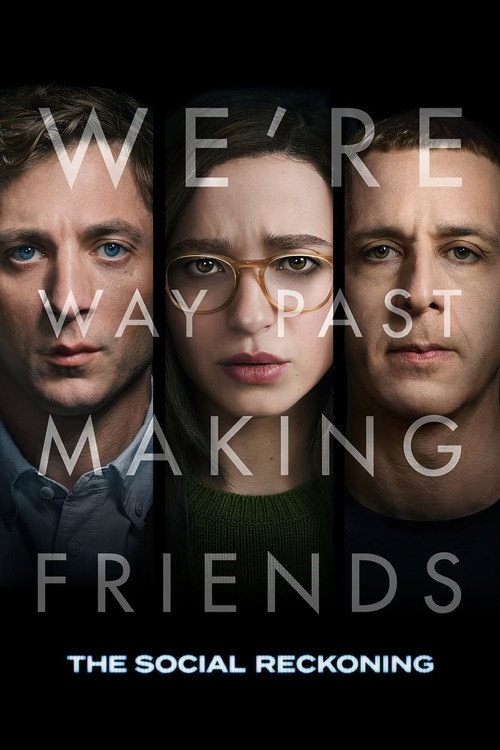
The Aaron Sorkin film opened with about $4 million domestic, a soft start for a sequel/spiritual follow-up to The Social Network. Even with recognizable subject matter and timely tech-industry themes, the movie did not become a theatrical event.
That is not entirely surprising. The original Social Network has grown in reputation over time, but it was never a blockbuster franchise in the traditional sense. A follow-up needed strong reviews, urgency, or a major cultural conversation to drive people into theaters. Instead, the opening suggests limited audience interest.
The global start was also weak, with only about $9 million worldwide. For a film reportedly costing around $30 million, that is not catastrophic, but it is clearly below expectations.
The result also reinforces a broader fall pattern: topical prestige is struggling unless the theatrical hook is extremely clear.
Digger Keeps Sliding
Digger fell to eighth place with $3.2 million, bringing its domestic total to about $14.4 million.
That is a rough second weekend for the expensive Tom Cruise and Alejandro G. Iñárritu collaboration. The film already opened poorly last weekend, and this drop confirms that it has not found a recovery lane.
The financial picture looks severe. Reports now suggest the movie could lose well over $200 million when production and marketing costs are factored in. That would make it one of the biggest box office failures in recent memory.
The failure is especially striking because Cruise has been one of Hollywood’s most reliable theatrical stars. But Digger shows that star power cannot overcome a divisive movie, weak audience response, and unclear commercial positioning.
Angel and the Badman Opens Modestly
Angel Studios’ Angel and the Badman opened in ninth place with about $2.1 million.
That is a modest start, but Angel releases often operate differently from traditional studio titles. The company’s model depends heavily on targeted audience outreach and faith-friendly or values-driven positioning.
This opening does not suggest a breakout, but it does show the film found at least some of its intended audience. The question is whether it can hold in the coming weeks or whether the opening represented most of the demand.
The Odyssey Returns to the Top 10
Christopher Nolan’s The Odyssey rounded out the top 10 with $2 million, bringing its domestic total to about $623 million.
At this point, the movie is deep into its run, but every additional weekend adds to one of 2026’s defining box office stories. It has already become Nolan’s biggest film ever and one of the highest-grossing R-rated movies in history.
Its return to the top 10 also shows how durable the film remains, especially compared with newer titles that have opened and faded quickly.
Specialty Releases Find Their Lane
Outside the top 10, there were several smaller stories worth noting.
The 20th anniversary re-release of Pan’s Labyrinth earned about $1.7 million, a solid result for a specialty anniversary run. Re-releases have been useful all year, and this is another example of a beloved film finding an audience through nostalgia and event-style programming.
Queen’s Live in Budapest concert release earned about $681,000, showing once again that music-driven theatrical events can work when targeted to fans.
On the specialty side, Neon’s Fjord opened with about $124,000 from only four theaters, while A24’s Misty Green earned roughly $85,716 from six theaters. Those are small totals, but strong enough per screen to suggest room for careful expansion.
The Bigger Story: Horror Wins, Prestige Struggles
The domestic marketplace totaled about $112.7 million across reporting films, a solid October frame largely powered by Other Mommy.
The bigger story is the widening gap between what audiences say yes to and what they ignore.
Horror continues to work because the value proposition is clear. Audiences know what they are getting, the budgets are manageable, and the theatrical experience adds something. Other Mommy did not need strong reviews to succeed because the hook was simple and the genre was right.
By contrast, The Social Reckoning and Digger show how difficult it can be for expensive or prestige-leaning adult films to connect when the urgency is not there. These movies may have interesting ideas, major talent, or topical relevance, but that does not automatically create a reason to buy a ticket.
This is not a sign that audiences only want horror or franchises. Verity, Heart of the Beast, and Primetime all show there is still room for adult-skewing movies. But those films have clearer hooks: a bestselling author, a survival premise, a true-crime media angle.
In 2026, clarity keeps winning.
International Box Office
Internationally, Other Mommy opened with about $17.7 million overseas, giving it a $45.2 million worldwide debut. That is a strong start for an $18 million horror film and puts it in a good position heading deeper into October.
Resident Evil had the biggest international story among holdovers. The film reportedly surged in China, earning more than $60 million there and pushing its global total to roughly $320 million. That makes it director Zach Cregger’s highest-grossing film and confirms the reboot as a major worldwide genre win.
Verity continued adding overseas after last weekend’s strong launch, while Heart of the Beast kept building toward a more respectable global total. Both films remain important adult-skewing players, though neither is driving the international marketplace the way Resident Evil is.
The Social Reckoning opened to only about $9 million worldwide, including $3.5 million internationally, making it a weak start for a film with prestige ambitions and a timely subject.
Digger has now reached only about $35.3 million worldwide, a disastrous total given its reported production and marketing costs.
Bottom line: Other Mommy gave horror another clear 2026 win, Resident Evil exploded internationally, and adult prestige titles like The Social Reckoning and Digger struggled to make audiences care. October belongs to movies with sharp hooks, and right now, horror has the sharpest hook of all.