Horror Is Helping Bring Movie Theaters Back
Horror is having a historic year at the box office. From Resident Evil to Backrooms and Obsession, scary movies may be one of the biggest reasons audiences are returning to theaters.
A few weeks ago, we asked a question that would have sounded almost ridiculous just a few years ago:
Are movie theaters actually back?
There are plenty of reasons to think they might be.
Event movies are getting people off the couch. IMAX and other premium formats are becoming destinations themselves. Younger audiences, particularly Gen Z, are showing an appetite for theatrical experiences that streaming can't completely replicate.
But there may be another major part of the story.
Horror.
Scary movies have always been one of Hollywood's most reliable businesses. They can be inexpensive to produce, don't necessarily require massive stars and have an audience that consistently shows up.
In 2026, however, horror isn't simply reliable.
It's becoming one of the most important forces at the box office.
And the success of Resident Evil just made that impossible to ignore.
Resident Evil Just Added Another Huge Win
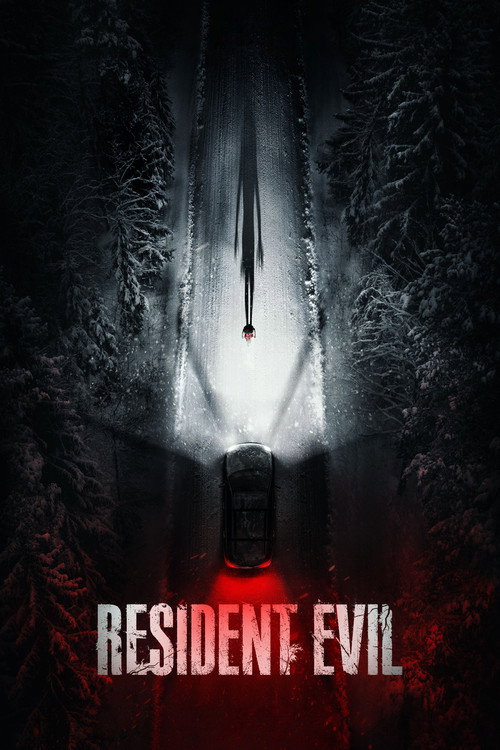
Zach Cregger's Resident Evil opened to approximately $60 million domestically and $108.3 million worldwide, giving the franchise its biggest opening weekend ever.
That's a significant result on its own.
But it's even more impressive when viewed alongside what's been happening throughout 2026.
Horror films have already generated more than $1.1 billion at the domestic box office this year, putting the genre around the record established in 2017 with three months still remaining.
At this point, 2026 has a legitimate chance to become the biggest year for horror at the domestic box office.
And this isn't one franchise carrying the category.
That's what makes the story so interesting.
Horror Keeps Finding Different Ways to Win
Look at the horror movies that have connected with audiences recently and there isn't one obvious formula.
Resident Evil is based on one of gaming's most recognizable franchises.
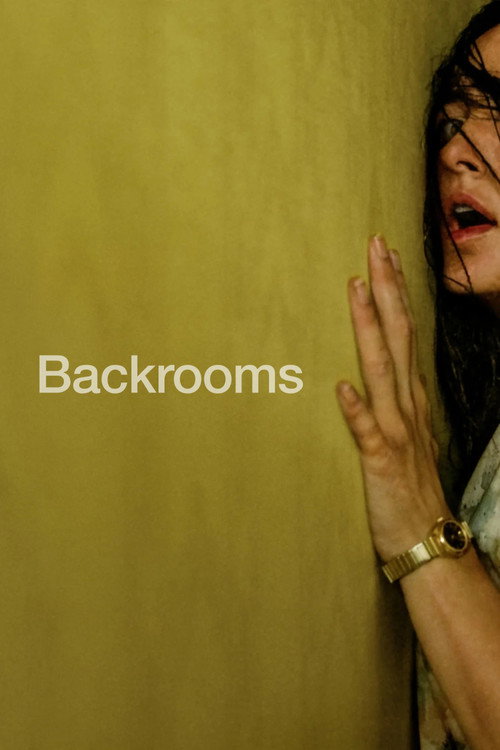
Backrooms came from an internet phenomenon created by a young YouTube filmmaker.
Obsession became a word-of-mouth sensation.
Scream 7 continued one of horror's longest-running franchises.
Other films have leaned into supernatural horror, body horror, zombies, slashers and more experimental concepts.
These aren't interchangeable movies.
What connects them is the audience's willingness to experience them in a theater.
That matters.
Backrooms and Obsession Changed the Conversation
If Resident Evil proves established horror IP can still generate a huge theatrical opening, Backrooms and Obsession may have demonstrated something even more important.
Young audiences will show up for something new.
When Backrooms opened in May, it stunned the industry with an estimated $81.5 million domestic opening, becoming A24's biggest opening weekend ever. Its audience also skewed heavily young.
Obsession became another breakout at roughly the same time, with an early audience that was overwhelmingly between the ages of 17 and 34.
These weren't $200 million franchise movies.
They came from young filmmakers who developed their voices online and understood the audience they were trying to reach.
Suddenly, the internet wasn't stealing young people away from movie theaters.
It was sending them there.
That's a potentially enormous development for Hollywood.
Horror Is Almost Designed for Theaters
There's also something fundamentally different about watching horror with other people.
A comedy can be funny at home.
An action movie can look great on a large television.
A drama can be just as moving from the couch.
But horror gains something when you're surrounded by 200 strangers.
Someone screams.
Half the theater laughs.
Everyone knows a jump scare is coming, but nobody knows exactly when.
The audience becomes part of the movie.
It's one of the few genres where the reaction of the person sitting three rows behind you can actually make the experience better.
That gives horror something increasingly valuable in the streaming era:
A reason to leave home.
If theaters are evolving away from simply being places where movies are available and toward places where movies become experiences, horror fits that transition almost perfectly.
The Economics Make Horror Even More Important
Hollywood also needs horror for another reason.
The economics often make sense.
The modern studio business has become increasingly dependent on enormous bets.
A major franchise movie can cost $200 million or more before marketing. That means a movie can generate hundreds of millions of dollars at the global box office and still create uncomfortable conversations inside the studio.
Horror operates differently.
Historically, many successful horror movies have been produced for a fraction of blockbuster budgets.
That changes the risk equation.
A studio doesn't necessarily need a billion-dollar global phenomenon.
It needs a compelling idea, strong marketing and an audience willing to show up.
That's why horror has produced some of Hollywood's most famous return-on-investment stories.
And it's why the genre becomes even more valuable during periods when the rest of the industry is struggling to figure out what audiences want.
Horror Can Create Franchises Without Starting With One
There's another advantage Hollywood desperately needs.
Horror can create intellectual property instead of simply recycling it.
Saw.
Paranormal Activity.
The Conjuring.
Insidious.
A Quiet Place.
None began because a studio executive decided to resurrect a 30-year-old brand.
They started with ideas audiences responded to.
Success created the franchise.
That model feels particularly relevant right now.
Hollywood has spent years mining existing IP because recognizable brands theoretically reduce risk.
But familiarity doesn't guarantee interest.
Horror provides another path:
Make something people haven't seen before. If they love it, you've created the next franchise.
Backrooms is an especially interesting variation because its audience existed online before Hollywood became involved.
That could become increasingly common.
Gen Z and Horror Are Becoming a Powerful Combination
This also connects directly to the broader theatrical comeback.
Young audiences matter enormously to theaters.
And horror has repeatedly demonstrated an ability to reach them.
According to reporting on Backrooms and Obsession, nearly 90% of recent Backrooms moviegoers were under 35, while 75% of Obsession's early audience was between 17 and 34.
That's exactly the demographic theaters need.
It's also a generation that discovers entertainment differently.
TikTok.
YouTube.
Reddit.
Memes.
Gaming.
Online communities.
Horror moves naturally through all of them.
A creepy 20-second clip can generate millions of views. A mysterious trailer can create theories. A strange image can become a meme. An internet horror concept can build an audience before a studio ever spends a dollar marketing the movie.
Then something interesting happens.
Everyone wants to experience it together.
Resident Evil Connects Horror and Gaming
That makes Resident Evil particularly significant.
It sits directly at the intersection of two enormous entertainment cultures:
Horror and gaming.
The previous Resident Evil movies often treated the games as loose inspiration for action films.
Cregger's version takes a different approach, telling a more contained horror story inside the universe while drawing on the atmosphere and tension that made the games popular.
The movie follows a courier whose trip to Raccoon City becomes increasingly nightmarish as an outbreak unfolds around him.
It's recognizable IP, but the movie doesn't simply depend on nostalgia.
That distinction matters.
The success of Resident Evil suggests Hollywood may be learning something important about adaptation.
Fans don't necessarily want to see brands reproduced.
They want filmmakers who understand why those brands became popular in the first place.
For Resident Evil, that means horror.
And Horror Isn't Finished With 2026
The genre still has several major theatrical releases coming before the end of the year.
Beware Boiúna arrives October 2, bringing survival horror and Amazonian mythology to theaters.
Other Mommy, opening October 9, comes from Host and The Boogeyman director Rob Savage.
Crawlers follows October 16.
Then comes one of the year's more unusual genre experiments.
Clayface, currently scheduled for October 23, takes a character associated with DC Comics and moves into body-horror territory.
That's exactly the kind of genre crossover that could become more common if horror continues delivering.
Victorian Psycho arrives November 13 with a period-horror approach.
And on Christmas Day, Robert Eggers returns with Werwulf, a medieval werewolf film from the director of The Witch, The Lighthouse and Nosferatu.
That's an unusually diverse slate.
Franchise horror.
Original horror.
Comic-book horror.
Period horror.
Internet-born horror.
And the pipeline continues into 2027 with movies including A Quiet Place Part III, another Paranormal Activity, a new Blair Witch Project and more.
Horror Doesn't Need to Save Hollywood
It would be easy to overstate what's happening.
Horror alone isn't going to solve every problem facing movie theaters.
The industry still needs great comedies.
It needs dramas.
It needs family movies.
It needs original action films.
It needs giant spectacles worth seeing on the biggest screen possible.
A healthy theatrical business can't survive on one genre.
But horror may be demonstrating the blueprint.
Give audiences something distinctive.
Keep budgets under control.
Find filmmakers with a point of view.
Understand where younger audiences discover entertainment.
And most importantly:
Make the theatrical experience part of the appeal.
Maybe We Shouldn't Be Surprised
Horror has survived almost every major technological change Hollywood has experienced.
Television didn't kill it.
Home video didn't kill it.
DVD didn't kill it.
Streaming didn't kill it.
If anything, each new platform gave horror another way to find an audience.
Now the genre may be helping theaters find theirs again.
The biggest movies will always dominate the headlines. Spider-Man, The Odyssey, Dune and other giant productions give audiences spectacle that can be difficult to replicate at home.
But sometimes theaters don't need a $200 million visual effects extravaganza.
Sometimes they just need a dark room.
A great idea.
Two hundred nervous people.
And one really good scare.
Horror isn't just having a great year. It may be reminding Hollywood exactly why movie theaters still matter.
Related Titles

Related Articles
Weekend Box Office Recap: Resident Evil Reboots the Franchise With a Monster $60M Opening
Resident Evil topped the box office with a franchise-best $60M domestic debut and $108.3M worldwide, giving horror another major 2026 win as late-summer holdovers cooled.
Sep 21, 2026
Weekend Box Office Recap: The Mandalorian and Grogu Wins Memorial Day, But Obsession Steals the Buzz
The Mandalorian and Grogu won Memorial Day, but Obsession stole the weekend with a huge second-frame jump as Michael and Prada 2 kept climbing globally.
May 26, 2026
Weekend Box Office Recap: Backrooms Turns Internet Horror Into a Box Office Event
Backrooms stunned the box office with an $81.5M debut, while Obsession rose again and The Mandalorian and Grogu dropped sharply in a huge weekend for internet horror.
Jun 1, 2026