Weekend Box Office Recap: Resident Evil Reboots the Franchise With a Monster $60M Opening
Resident Evil topped the box office with a franchise-best $60M domestic debut and $108.3M worldwide, giving horror another major 2026 win as late-summer holdovers cooled.

The weekend of September 18–20, 2026 gave the fall box office exactly what it needed: a major horror breakout.
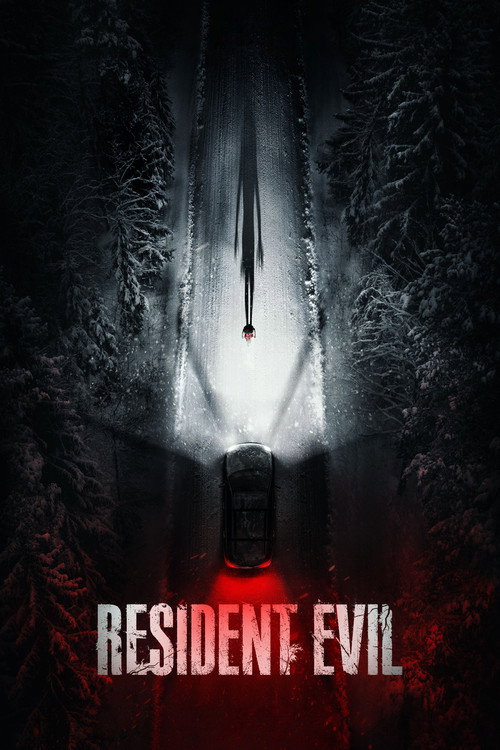
Zach Cregger’s Resident Evil opened at No. 1 with an estimated $60 million domestic weekend from 3,684 theaters, giving the long-running video game horror franchise its best opening ever. Globally, the Sony release launched to $108.3 million, including $48.3 million internationally.
That is a huge result for an eighth installment in a franchise that has been around since 2002. It is also another major win for horror in a year already powered by Obsession, Backrooms, Insidious: Out of the Further, and several smaller genre breakouts.
After weeks of Spider-Man: Brand New Day and The Odyssey dominating the conversation, Resident Evil gave theaters a fresh No. 1 and proved that the 2026 horror boom still has plenty of life.
Resident Evil Brings the Franchise Back to Life
The biggest story of the weekend is simple: Resident Evil worked.
The reboot opened with $60 million domestic, which is the best debut in franchise history and more than most previous Resident Evil films made in their entire North American runs. The only close comparison is Resident Evil: Afterlife, which finished with about $60.1 million domestic in 2010, not adjusted for inflation.
That makes this new launch especially impressive. This was not just nostalgia for a familiar horror property. It was a full franchise reset that successfully connected with modern horror audiences.
The key creative factor was Zach Cregger. After Barbarian and Weapons, Cregger has become one of the few modern horror filmmakers whose name actually matters at the box office. AP quoted Rentrak’s Paul Dergarabedian saying that some directors become the star of the movie, and that appears to be true here.
The movie also had strong critical support, with a reported 95% Rotten Tomatoes score, and audiences gave it a B+ CinemaScore. For horror, that is a healthy combination. The audience was also young and genre-focused, with PostTrak showing the crowd was mostly male and heavily under 35.
Domestic Top 10
Here is the estimated domestic top 10 for September 18–20, 2026:
- Resident Evil — $60.0 million
- Practical Magic 2 — $12.2 million
- Spider-Man: Brand New Day — $6.5 million
- The Odyssey — $4.9 million
- Coyote vs. Acme — $4.5 million
- Runner — $3.2 million
- Daniel and the Fiery Furnace — $3.1 million
- The Transformers: The Movie 40th Anniversary — $3.1 million
- The Weight — $2.3 million
- Buddy — $1.9 million
Horror Keeps Owning 2026
The Resident Evil opening matters beyond the franchise itself because it adds to one of the clearest box office trends of the year: horror is having a massive 2026.
According to Rentrak, horror movies have already generated more than $1.1 billion domestic this year. That includes Obsession, Backrooms, Insidious: Out of the Further, and now Resident Evil. Entertainment Weekly also noted that the genre is on track for one of its biggest commercial years ever.
What makes this year especially interesting is that horror has been winning in multiple forms. Obsession was a microbudget phenomenon. Backrooms turned internet lore into a mainstream theatrical event. Insidious proved a familiar franchise could still work. Now Resident Evil shows that a video game horror property can be revived when the creative direction feels fresh.
That variety is important. Horror is not just working because one movie broke out. It is working because the genre has become one of the most flexible and profitable lanes in theaters.
Practical Magic 2 Falls to Second
After opening on top last weekend, Practical Magic 2 fell to second place with about $12.2 million, down roughly 59%.
That is a steep drop, but not a total collapse. The Warner Bros. sequel has reached about $50 million domestic and $76.8 million worldwide after two weekends. The issue is that the opening was already viewed as underwhelming, so the second-weekend fall limits the upside.
The film had nostalgia, recognizable stars, and a long gap since the original, but it does not appear to have become a major theatrical event. It may still have a longer life with its target audience, especially around fall and Halloween viewing, but the box office ceiling looks lower than Warner Bros. likely hoped.
In a weekend where horror felt urgent and fresh, Practical Magic 2 looked more like a modest nostalgia play.
Spider-Man: Brand New Day Finally Cools
Spider-Man: Brand New Day landed in third place with $6.5 million in its eighth weekend.
That would be a tiny number compared with its record-setting early run, but at this point the movie has nothing left to prove. Its domestic total is now about $944.5 million, which keeps it near the top of the all-time North American chart.
Globally, Entertainment Weekly reported the film at about $2.47 billion after earning $17.3 million worldwide this weekend. That places it among the biggest movies ever released and confirms it as the defining commercial blockbuster of 2026.
The run is finally slowing, but that is normal after two months in theaters. Brand New Day has already delivered the kind of box office performance studios dream about.
The Odyssey Keeps Adding to Its Historic Run
Christopher Nolan’s The Odyssey finished fourth with $4.9 million, bringing its domestic total to about $609.8 million.
The bigger story remains global. Entertainment Weekly reported that The Odyssey earned about $21 million worldwide this weekend and has reached roughly $1.72 billion globally.
That is an extraordinary number for a nearly three-hour, R-rated mythological epic. It remains Nolan’s biggest movie ever and one of the highest-grossing R-rated films in history.
The movie is no longer dominating weekly headlines, but its long-term run is still one of 2026’s defining theatrical stories. It proved that director-driven spectacle can compete with the biggest franchises when the theatrical experience feels essential.
Coyote vs. Acme Keeps Holding
Coyote vs. Acme rounded out the top five with $4.5 million, bringing its domestic total to about $54.8 million.
That is a solid result for a movie that once looked like it might never be released. After being shelved by Warner Bros. and later picked up by Ketchup Entertainment, Coyote vs. Acme turned into one of late summer’s most satisfying redemption stories.
The film is no longer riding the initial controversy wave, but it continues to hold decently as family-friendly counterprogramming. Its theatrical run is not massive compared with the year’s biggest titles, but given its history, the fact that it became a real box office performer at all is meaningful.
The larger message still stands: audiences sometimes want the movies studios are ready to bury.
Runner Drops in Weekend Two
Runner earned about $3.2 million in its second weekend, down roughly 51%, bringing its domestic total to about $12 million.
That is a moderate drop, but the overall number remains modest. The film has not broken out beyond its opening audience, and with Resident Evil dominating the weekend’s genre conversation, Runner had a hard time standing out.
It may continue to add a little more through late September, but this looks like a limited theatrical performer rather than a major fall player.
Faith-Based and Re-Release Programming Find Space
Two titles in the middle of the chart showed how targeted theatrical programming can still work.
Daniel and the Fiery Furnace opened with $3.1 million, a respectable result for a faith-based release playing to a specific audience. These films often operate outside the normal blockbuster conversation, but when the audience is well-defined, they can still generate meaningful weekend numbers.
Right behind it, The Transformers: The Movie 40th Anniversary earned about $3.1 million. That is a strong result for a re-release and another reminder that nostalgia programming remains useful for theaters. Like the recent Cars re-release and The Fast and the Furious anniversary run, these events do not need huge grosses to make sense. They need motivated fans and smart timing.
The Weight Opens Quietly
The Weight opened in ninth place with about $2.3 million from just over 1,500 theaters.
That is a quiet launch, especially in a weekend where the overall marketplace was lifted by Resident Evil. Without a major hook, strong reviews, or a clear audience event, the movie struggled to break through.
This has been one of the recurring lessons of the year. Smaller adult-skewing movies can work, but they need a very clear reason to be seen theatrically. Otherwise, they risk getting swallowed by bigger brands, horror titles, and event-style programming.
Buddy Stays in the Top 10
Buddy rounded out the top 10 with about $1.9 million, bringing its domestic total to roughly $24.8 million.
The low-budget dark comedy has been one of the more interesting small-scale success stories of late summer. It is not playing like a blockbuster, but its economics are strong, and its strange concept helped it stand out in a crowded market.
Like Obsession, Backrooms, and several other 2026 breakouts, Buddy shows that weird, sticky ideas can still find theatrical life when audiences feel like the movie offers something different.
The History of Concrete Scores a Huge One-Screen Debut
Outside the top 10, one of the most impressive stories came from a single theater.
John Wilson’s documentary The History of Concrete earned about $90,000 from one screen at the IFC Center in New York. AP noted that the only film to make more in a single weekend at that venue was Parasite, which earned just over $119,000.
That is a massive limited-release result and a reminder that specialty box office is still alive when the audience is concentrated and the release is treated like an event.
The number does not mean the film will automatically scale wide, but it gives it a strong platform start and immediate credibility in the documentary and specialty marketplace.
The Bigger Story: Fall Starts With Horror Momentum
This weekend felt like a transition point.
The summer giants are finally slowing. Spider-Man: Brand New Day and The Odyssey remain enormous, but their weekly numbers are now coming down. Coyote vs. Acme is still holding, but it is past its peak. Late-summer titles like Buddy and Practical Magic 2 are finding their lanes but not dominating.
Into that space came Resident Evil, and it landed hard.
That matters because September can be a quieter theatrical period. Studios often use it for horror, genre titles, and mid-budget releases, and this weekend showed why. Horror does not need the summer calendar to work. It can create its own urgency, especially when the concept is clear and the creative voice has momentum.
The domestic marketplace totaled about $110.3 million across reporting films, a strong frame for this point in September. Most of that was driven by one movie, but the top 10 still showed a useful mix: horror, nostalgia, superhero holdovers, Nolan spectacle, family comedy, faith-based programming, animation re-release, and specialty titles.
That mix is exactly what theaters need heading into fall.
International Box Office
Internationally, Resident Evil also opened strong, earning $48.3 million overseas and $108.3 million worldwide. That gives Sony a healthy global launch for a film reportedly costing about $75 million before marketing.
The international number is important because the Resident Evil franchise has historically played well overseas. If this new installment holds decently, the global total could climb quickly and put the franchise back in a strong commercial position.
Spider-Man: Brand New Day added about $17.3 million worldwide this weekend and has reached roughly $2.47 billion globally. The movie is now deep into its run, but it remains one of the highest-grossing films ever.
The Odyssey earned about $21 million worldwide for the weekend and has climbed to about $1.72 billion globally. That keeps Nolan’s epic within range of the all-time global top 10, depending on how long it continues adding in international markets.
Practical Magic 2 added about $7 million internationally, bringing its worldwide total to $76.8 million. That is not a disastrous number, but it reinforces the idea that the sequel is performing more like a modest nostalgia title than a major fall breakout.
Bottom line: Resident Evil gave the fall box office a major shot of energy with a franchise-best $60 million domestic opening and a $108.3 million global launch. Horror remains one of 2026’s most powerful theatrical engines, while Spider-Man and The Odyssey continue adding to historic runs.
Related Titles


Related Articles
Horror Is Helping Bring Movie Theaters Back
Horror is having a historic year at the box office. From Resident Evil to Backrooms and Obsession, scary movies may be one of the biggest reasons audiences are returning to theaters.
Sep 23, 2026
Weekend Box Office Recap: Verity Takes No. 1 as Digger Becomes a Costly Warner Bros. Miss
Verity opened No. 1 with $32.6M domestic, while Tom Cruise’s costly Digger bombed and Resident Evil, Heart of the Beast, and Primetime kept holding strong.
Oct 5, 2026
Weekend Box Office Recap: Avengers: Endgame Encore Returns to No. 1 as Resident Evil Holds Strong
Avengers: Endgame Encore returned to No. 1 with $26M domestic, while Resident Evil held strong and three new releases made the top five in a crowded late-September frame.
Oct 12, 2026