Weekend Box Office Recap: Clayface Wins No. 1, but You Can See Everything Becomes a Documentary Phenomenon
Clayface wins the box office with $24M, but You Can See Everything jumps 25% to $19.5M. Wildwood opens softly, Street Fighter plunges 72%, and DC finds a promising new direction for its films.

The weekend of October 23–25, 2026 brought a new DC movie to the top of the box office, but the real story may be the documentary sitting right behind it.
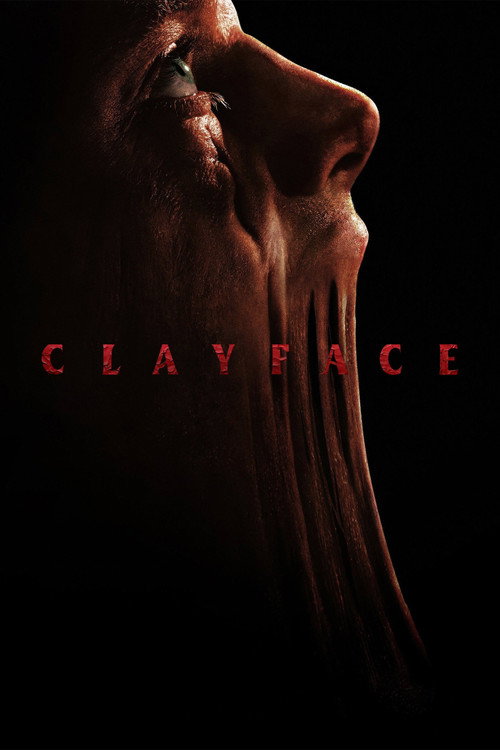
Warner Bros. and DC Studios' Clayface opened at No. 1 with an estimated $24 million domestic weekend, adding another $19 million internationally for a $43 million worldwide debut. For a relatively modestly budgeted, R-rated comic-book horror film, that is a promising start.
But the most fascinating performance belonged to A24's You Can See Everything.
The Nathan Fielder and Lance Oppenheim documentary about Elizabeth Holmes earned $19.5 million domestically in its second weekend, actually increasing 25% from its opening frame. After just 10 days, the film has reached $45.1 million domestic, making it one of the biggest documentary box office stories in years.
Meanwhile, Laika's Wildwood opened below expectations, Street Fighter suffered a brutal second-weekend collapse, and smaller releases like Wicker and HYBE Cine Fest 2026 demonstrated that niche audiences can still make a meaningful theatrical impact.
The weekend delivered a familiar 2026 lesson: recognizable brands can win the box office, but distinctive movies are often driving the conversation.
Clayface Takes No. 1 With a $24 Million Opening
The biggest new release of the weekend was Clayface, the latest film from DC Studios.
The R-rated body-horror thriller opened with $24 million domestic from 3,458 theaters, enough to secure first place over the rapidly expanding You Can See Everything.
Directed by James Watkins and starring Tom Rhys Harries and Naomi Ackie, the film takes a very different approach from traditional superhero entertainment.
Instead of positioning Clayface as another villain in a massive, effects-driven comic-book spectacle, the movie leans into the character's horror roots. The result is a smaller, darker, more contained film that feels closer to a genre thriller than a conventional superhero blockbuster.
That positioning matters.
DC Studios has been working to establish its identity after mixed theatrical results. Last year's Superman generated positive momentum, but this summer's Supergirl struggled commercially.
Clayface offers a different model.
With a reported production budget of approximately $44 million, the movie does not need the kind of enormous worldwide total required by a $200 million superhero production.
Its $43 million global debut gives it a reasonable foundation, though theatrical revenue sharing and marketing expenses mean profitability is not guaranteed.
Audience response is also encouraging. The film earned an A- CinemaScore, a particularly positive result for an R-rated horror movie.
If word-of-mouth holds, Clayface could demonstrate that comic-book adaptations do not always need blockbuster budgets, giant crossover events, or familiar superheroes to become viable theatrical releases.
Domestic Top 10
Here is the estimated domestic top 10 for October 23–25, 2026, based on Box Office Mojo's Sunday estimates:
- Clayface - $24.0 million
- You Can See Everything - $19.5 million
- Wildwood - $11.6 million
- Street Fighter - $8.6 million
- Wicker - $5.75 million
- HYBE Cine Fest 2026 - $4.5 million
- Other Mommy - $3.85 million
- Sense and Sensibility - $3.4 million
- Whalefall - $3.2 million
- Verity - $3.06 million
You Can See Everything Is Becoming a Box Office Phenomenon
If Clayface won the weekend, You Can See Everything may have delivered its most important performance.
The documentary earned $19.5 million after expanding from 855 theaters to 2,655 locations.
That represents a 25% increase over its first weekend, an extraordinary result for a documentary.
The film has now generated approximately $45.1 million domestic in just 10 days.
To put that in perspective, most documentaries never approach $10 million theatrically. Many acclaimed nonfiction films play limited engagements before moving to streaming or television.
You Can See Everything is operating on a completely different level.
Directed by Nathan Fielder and Lance Oppenheim, the film examines disgraced Theranos founder Elizabeth Holmes through an unusual blend of documentary access, psychological observation, and Fielder's signature unconventional storytelling.
The subject matter alone is fascinating. Holmes remains one of the most recognizable figures in modern Silicon Valley scandal history.
But the real appeal appears to be the filmmaking.
Fielder has built a devoted audience through projects like Nathan for You and The Rehearsal. His work often blurs the boundaries between authenticity, performance, manipulation, and reality.
That reputation has turned the documentary into something audiences want to experience before the online conversation reveals too much.
According to industry reporting, You Can See Everything has now become the highest-grossing U.S. documentary in 15 years.
It is also A24's biggest documentary release.
And the film has accomplished all of this without a meaningful international theatrical rollout.
Can You Can See Everything Become an Awards Contender?
The commercial success is only part of the story.
The documentary has also generated exceptional critical response and growing awards discussion.
Its unusual style, challenging subject matter, and strong audience engagement could put it in contention for major documentary awards.
More ambitiously, industry observers have begun discussing whether the film could become a rare documentary contender for the Academy Award for Best Picture.
That would be extraordinary.
Documentaries have received major recognition from the Academy, but none has ever secured a Best Picture nomination.
It remains far too early to predict whether You Can See Everything can cross that barrier. Awards recognition depends on much more than opening-weekend numbers.
Still, the fact that such a conversation exists demonstrates how unusual the film's commercial and cultural trajectory has become.
For A24, this is another example of the distributor's ability to transform unconventional filmmaking into mainstream theatrical interest.
Wildwood Opens Softly for Laika
The weekend's biggest financial concern was Wildwood.
Laika's stop-motion fantasy adventure opened in third place with approximately $11.6 million domestic, adding another $2.9 million overseas for a $14.7 million worldwide debut.
That is a difficult start for a movie reportedly carrying a production budget around $100 million.
Laika has developed a reputation for technically ambitious stop-motion animation through films like Coraline, ParaNorman, The Boxtrolls, Kubo and the Two Strings, and Missing Link.
The studio's movies are often praised for their craftsmanship, distinctive visual styles, and willingness to tell stories outside the usual family-animation formula.
But that creative identity has not always translated into major box office success.
Wildwood continues that challenge.
The film offers elaborate stop-motion world-building and a fantasy adventure with a distinctive aesthetic, but it does not have the franchise familiarity of Toy Story, Minions, or PAW Patrol.
That makes theatrical marketing more difficult.
Families have repeatedly shown a preference for recognizable animated brands, particularly when deciding which movies justify the cost of a theater visit.
With only $14.7 million worldwide so far, Wildwood will need strong word-of-mouth and a substantial international run to improve its financial outlook.
The result is disappointing, especially given the importance of studios like Laika to the diversity of feature animation.
Street Fighter Suffers a Brutal Second-Weekend Drop
Last weekend's No. 1 film fell sharply.
Paramount's Street Fighter earned $8.6 million domestically, a massive 72% decline from its $31 million opening.
That is a concerning result.
The film has now reached approximately $46.9 million domestic after 10 days and $79.6 million worldwide.
Its opening weekend demonstrated that the fighting-game franchise still has a recognizable audience. But the steep decline suggests that audience demand was concentrated heavily in the opening frame.
This is a recurring challenge for video game adaptations.
Recognizable intellectual property can drive initial awareness, but theatrical staying power requires broader audience appeal and positive word-of-mouth.
A franchise can have millions of gamers worldwide without automatically converting those players into repeat moviegoers.
Street Fighter is a particularly interesting example because the brand is built around competitive gaming, memorable characters, and an established global fanbase.
Those elements helped generate an opening.
They have not yet produced strong theatrical legs.
With a reported production budget of approximately $82 million, the movie will need continued international support to improve its commercial position.
Wicker Gives Black Bear a Promising Opening
One of the more encouraging smaller stories was Wicker.
The independent fantasy romance opened with approximately $5.75 million domestic from 1,471 theaters.
Starring Olivia Colman and Alexander Skarsgård, the film offers adult audiences an unusual romantic premise outside the traditional studio franchise system.
The result is modest compared with the weekend's biggest releases, but the economics are more encouraging.
With a reported production cost around $10 million, Wicker does not need a massive blockbuster run to become commercially viable.
The opening also represents an important moment for distributor Black Bear, which has been expanding its theatrical distribution ambitions.
Independent distributors face a difficult marketplace. They compete with major studios for screens, advertising attention, and audience awareness.
A movie with recognizable performers, strong positioning, and manageable production costs can create a realistic path to success.
Wicker is worth watching over the next several weekends, particularly as it begins expanding internationally.
HYBE Cine Fest 2026 Demonstrates the Power of Music Fandom
The weekend's sixth-place finish belonged to HYBE Cine Fest 2026, which earned approximately $4.5 million domestically.
The event is another example of music-driven theatrical programming finding a motivated audience.
HYBE's global music business includes artists with extraordinarily dedicated fan communities, and theatrical events offer those fans an opportunity to experience performances and exclusive content collectively.
That community aspect is important.
Concert films, music documentaries, anniversary screenings, and special theatrical events are becoming increasingly useful programming for movie theaters.
They do not necessarily require conventional Hollywood marketing campaigns.
Instead, they rely on established fan relationships, social sharing, and the appeal of participating in something alongside other fans.
A $4.5 million domestic weekend is meaningful for event programming and reinforces how valuable niche audiences can be.
Other Mommy Continues to Slide
Universal and Blumhouse's Other Mommy earned approximately $3.85 million in its third weekend.
That represents another decline of around 53%, bringing its domestic total to about $51.5 million.
The Jessica Chastain-led horror movie opened strongly earlier this month, but its theatrical momentum has faded quickly.
The film remains a useful example of horror economics.
With a reported production budget around $18 million, a domestic total above $50 million provides a substantially better starting point than many expensive films achieve.
However, strong opening-weekend results do not automatically mean strong theatrical legs.
Other Mommy benefited from October timing and genre interest, but its poor critical reception appears to have limited sustained demand.
It will likely finish as a respectable horror performer rather than one of the year's defining genre hits.
Sense and Sensibility Holds Its Audience
Focus Features' Sense and Sensibility finished eighth with approximately $3.4 million in its second weekend.
The adaptation has now earned around $13.7 million domestic.
The film's opening-weekend audience was heavily female and notably young, giving it a demographic profile that differed sharply from many traditional period dramas.
That is an encouraging sign.
Literary adaptations do not need to compete directly with comic-book films or action franchises to succeed.
They need to reach the audiences most likely to respond to the source material, casting, and emotional themes.
The second-weekend decline of roughly 53% limits its breakout potential, but the film remains an example of targeted theatrical programming finding a place in a crowded release schedule.
Whalefall and Verity Round Out the Top 10
Whalefall finished ninth with approximately $3.2 million, bringing its domestic total to about $14.1 million.
That is a difficult result for the ambitious survival thriller, which reportedly cost around $60 million to produce.
Its high-concept premise generated some attention, but the opening was soft and the second-weekend decline suggests limited word-of-mouth momentum.
The movie will need substantial international revenue and additional post-theatrical opportunities to improve its economics.
Verity rounded out the top 10 with approximately $3.06 million.
The Colleen Hoover adaptation has reached about $71.5 million domestic after four weekends.
Although it has slowed substantially since its strong debut, the film remains one of the more successful adult-targeted releases of the fall.
Its performance demonstrates how powerful bestselling fiction can be when a movie reaches an established reading audience.
The Bigger Story: Hollywood Is Learning to Think Smaller
The most interesting theme of the weekend is how different the successful releases are from each other.
Clayface is a comic-book adaptation, but it is built like a horror movie.
You Can See Everything is a documentary, but it is performing like a mainstream cultural event.
Wicker is an unusual adult fantasy romance with a comparatively modest budget.
HYBE Cine Fest 2026 is specialized event programming aimed at a passionate fan community.
These movies do not follow the traditional formula of spending enormous sums to reach every possible audience.
Instead, they have more narrowly defined identities.
That may be one of the most important lessons of 2026.
The year's largest box office successes, including Spider-Man: Brand New Day and The Odyssey, proved that enormous theatrical spectacles can still generate extraordinary demand.
But smaller successes have been equally revealing.
Obsession, Backrooms, Buddy, and now You Can See Everything have demonstrated that unusual concepts can become major theatrical conversations.
Meanwhile, expensive films without strong audience demand have struggled.
The domestic box office has reached approximately $8.36 billion year to date, more than 20% ahead of the same period in 2025.
That is a significant improvement.
But the industry's long-term health will depend on more than a handful of enormous blockbusters.
It will also depend on movies with realistic budgets, clearly defined audiences, and compelling reasons to be experienced in theaters.
This weekend offered several examples of that approach working.
International Box Office
Internationally, Clayface led the worldwide weekend with a $43 million global debut, including $19 million overseas across 77 markets.
That gives Warner Bros. and DC Studios a promising start for a comparatively modestly budgeted comic-book horror film.
You Can See Everything ranked second globally with $19.5 million, despite reporting no significant overseas theatrical grosses yet. Its worldwide total currently stands at approximately $45.1 million, almost entirely from North America.
That makes the documentary's performance even more extraordinary. A broader international rollout could extend its commercial run, with the United Kingdom and Ireland scheduled for November 20.
Street Fighter earned approximately $8.2 million internationally this weekend, bringing its overseas total to $32.7 million and its worldwide total to $79.6 million. The steep decline in both domestic and international markets raises questions about the movie's long-term box office prospects.
Wildwood opened to approximately $2.9 million internationally, bringing its worldwide debut to $14.7 million. The movie still has additional international markets ahead, but the opening represents a challenging start for a reportedly $100 million production.
Resident Evil continued to deliver strong overseas numbers, earning approximately $10.3 million internationally this weekend. Its worldwide total has reached $384.5 million, including $230.8 million from international markets.
China remains particularly important to that result, contributing about $65 million so far. The reboot is now the highest-grossing Resident Evil film globally, another major achievement for director Zach Cregger.
Jailer 2 continued its strong international run, earning approximately $10.7 million overseas this weekend. Its worldwide total has reached about $74.7 million, demonstrating the continuing global appeal of major Indian-language releases.
Verity added around $7.2 million internationally, bringing its worldwide total to approximately $162.7 million.
Other Mommy reached about $94.9 million worldwide, while Brad Pitt's Heart of the Beast climbed to roughly $170.4 million globally.
Bottom line: Clayface won the weekend and gave DC Studios a promising genre-driven opening. But You Can See Everything remains the bigger cultural phenomenon, turning an unconventional documentary into one of the most remarkable box office stories of 2026. The weekend reinforced a lesson Hollywood would be wise to remember: big audiences do not always require big budgets.
Related Titles


Related Articles
Weekend Box Office Recap: Street Fighter Wins No. 1, but You Can See Everything Steals the Show
Street Fighter wins with $31M domestic, but Elizabeth Holmes documentary You Can See Everything steals the spotlight with a stunning $15M debut. Horror cools as the fall box office gains momentum again.
Nov 2, 2026
You Can See Everything Review: One of the Most Fascinating Documentaries Ever Made
You Can See Everything starts as an Elizabeth Holmes documentary and becomes something far more fascinating. Strange, uncomfortable and impossible to look away from, this is documentary filmmaking at its best.
Nov 2, 2026
Weekend Box Office Recap: You Can See Everything Finally Takes No. 1 as Halloween Slows Theaters
You Can See Everything takes No. 1 with $10.6M, narrowly beating Clayface as Halloween slows theaters. Wildwood holds third, while Resident Evil crosses $400M worldwide.
Nov 2, 2026