Weekend Box Office Recap: You Can See Everything Finally Takes No. 1 as Halloween Slows Theaters
You Can See Everything takes No. 1 with $10.6M, narrowly beating Clayface as Halloween slows theaters. Wildwood holds third, while Resident Evil crosses $400M worldwide.

The weekend of October 30–November 1, 2026 delivered one of the quietest box office frames of the year, but it also gave Hollywood one of its most unlikely No. 1 movies.
After two extraordinary weekends, A24's You Can See Everything finally reached the top of the domestic box office. The Nathan Fielder and Lance Oppenheim documentary about Elizabeth Holmes earned an estimated $10.6 million, narrowly beating Warner Bros. and DC Studios' Clayface, which finished with $10.4 million.
The margin was only about $201,000, making this one of the closest box office races in recent memory.
But the bigger story was the overall marketplace.
With Halloween falling on Saturday, moviegoers had plenty of reasons to stay away from theaters. Costume parties, trick-or-treating, and holiday activities competed directly with what is normally the industry's busiest moviegoing day.
The result was an estimated $57.5 million domestic weekend, down approximately 42% from the previous frame.
Still, the weekend produced some noteworthy stories. Wildwood held better than expected, Wicker benefited from a wider release, Street Fighter continued its rapid decline, and Resident Evil reached a major worldwide milestone.
For a weekend without a significant new wide-release blockbuster, there was plenty to discuss.
You Can See Everything Finally Claims No. 1
The most interesting box office story of the fall just keeps getting better.
In its third weekend, You Can See Everything earned $10.6 million domestically, bringing its North American total to approximately $63.9 million.
That is an extraordinary result for a documentary.
Most nonfiction films never approach this level of commercial success. Even documentaries that generate substantial critical acclaim frequently struggle to reach audiences beyond major cities and specialized theaters.
You Can See Everything has become something entirely different.
The film examines Elizabeth Holmes, the former Theranos CEO convicted of fraud, through Nathan Fielder's unconventional filmmaking approach and Lance Oppenheim's documentary sensibilities.
Rather than simply retelling a familiar Silicon Valley scandal, the movie has become a conversation about truth, performance, accountability, and the strange relationship between public figures and the stories told about them.
Its unusual style has helped turn the release into a genuine theatrical event.
The film expanded to 3,243 theaters this weekend, adding nearly 600 locations. Even with Halloween cutting into moviegoing, it declined only 43% from the previous weekend.
That hold was enough to move it past Clayface.
With a reported production budget of approximately $7 million, the movie has now earned more than nine times that figure at the domestic box office alone.
That does not mean the distributor keeps every dollar, but the economics are unusually encouraging.
The film has also demonstrated something increasingly important: documentaries can become major theatrical attractions when audiences believe the experience is timely, distinctive, and worth sharing.
Domestic Top 10
Here is the estimated domestic top 10 for October 30–November 1, 2026:
- You Can See Everything - $10.6 million
- Clayface - $10.4 million
- Wildwood - $7.5 million
- Wicker - $4.1 million
- Street Fighter - $3.2 million
- BTS World Tour: Arirang Live Viewing - $2.8 million
- Resident Evil - $2.5 million
- Other Mommy - $2.5 million
- The Only Living Pickpocket in New York - $1.9 million
- Heart of the Beast - $1.6 million
Note: Rankings reflect Sunday estimates. AP's traditional film chart excluded the BTS live-viewing event, which placed sixth in Box Office Mojo's broader chart.
Clayface Falls to Second, But Remains a Promising DC Experiment
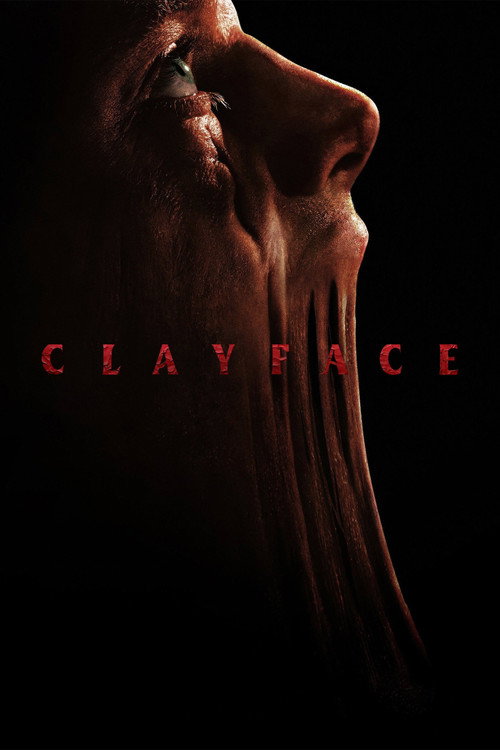
After opening at No. 1 last weekend, Clayface dropped to second place with approximately $10.4 million.
That represents a 57% second-weekend decline, bringing the film's domestic total to about $44.1 million.
For a superhero release, that might initially sound disappointing.
But Clayface is not a conventional superhero movie.
The R-rated body-horror thriller was deliberately positioned as a smaller, darker entry in the DC universe, with a reported production budget of around $44 million.
It does not require the same enormous worldwide total as a $200 million comic-book tentpole.
Globally, the film has now reached approximately $83 million, including $38.9 million internationally.
That puts it in a reasonable position after only two weekends, although marketing expenses and theatrical revenue sharing mean it still has work to do.
The Halloween holiday also complicates the second-weekend comparison.
One might assume horror films benefit automatically from Halloween, but when the holiday falls on Saturday, many younger moviegoers choose parties and other activities over theaters.
That likely affected Clayface, which relies heavily on the kind of genre audience most likely to have other Halloween plans.
The larger takeaway remains encouraging for DC Studios.
Rather than relying exclusively on massive interconnected superhero spectacles, Clayface demonstrates that the studio can experiment with smaller stories and different genres.
That flexibility may prove valuable as the comic-book movie marketplace becomes more selective.
Wildwood Holds Better Than Expected
Laika's stop-motion fantasy Wildwood finished third with approximately $7.5 million.
That represents a 39% decline from its opening weekend, bringing its domestic total to approximately $25.9 million.
Given the Halloween disruption, that is a respectable hold.
The movie also expanded slightly, giving it additional opportunities to reach family audiences.
Still, the financial picture remains challenging.
Wildwood reportedly cost around $100 million to produce, an enormous investment for an original stop-motion animated feature.
Laika's movies have earned widespread respect for their craftsmanship, visual originality, and willingness to tell stories outside the typical family-animation formula.
But theatrical success has been harder to achieve.
The challenge is particularly difficult in a marketplace dominated by familiar animated brands.
Families have repeatedly shown that they will turn out for properties like Toy Story, Minions, and PAW Patrol. Original animation has to work much harder to build awareness.
Wildwood has received encouraging audience feedback, but positive reactions alone cannot solve the marketing and financial challenges.
Its worldwide total is now around $35 million, leaving considerable ground to cover.
Still, the second-weekend hold suggests the movie may continue finding viewers through word-of-mouth.
Wicker Finds Momentum Through Expansion
One of the weekend's more encouraging performances belonged to Wicker.
The fantasy romance starring Olivia Colman and Alexander Skarsgård finished fourth with approximately $4.1 million.
That represents a decline of only 28%, the strongest hold among the weekend's top five releases.
The film expanded substantially, adding more than 900 theaters and reaching approximately 2,374 locations.
Its domestic total now stands around $13.3 million.
That may not sound remarkable compared with major studio releases, but Wicker was never designed to compete at blockbuster scale.
Its reported production budget was approximately $10 million, making its commercial expectations much more manageable.
The movie also benefits from a clear identity.
It is an unusual adult fantasy romance built around recognizable actors and an unconventional premise.
In a marketplace where expensive films often struggle to explain why audiences should leave home, Wicker offers something distinct.
The next challenge will be determining whether that appeal can translate into a longer theatrical run.
For now, its second-weekend performance is encouraging.
Street Fighter Continues Its Steep Decline
Paramount's Street Fighter finished fifth with approximately $3.2 million.
That represents another 63% decline, following a devastating 72% drop the previous weekend.
The film has now reached about $53 million domestically after three weekends.
The trajectory is concerning.
Street Fighter opened to $31 million, demonstrating recognizable demand for the long-running Capcom franchise.
But the opening appears to have been heavily concentrated among established fans.
The movie has struggled to maintain momentum beyond that audience.
Its worldwide total has reached approximately $92 million, which is not insignificant, but it remains a difficult position for a film reportedly costing around $82 million before marketing.
The film will need substantial additional revenue from theatrical and post-theatrical markets to improve its economics.
The bigger lesson is one Hollywood has encountered repeatedly.
A recognizable gaming property does not automatically produce a successful movie franchise.
Awareness can drive an opening weekend. Sustained theatrical success requires broader audience appeal and convincing word-of-mouth.
Street Fighter has demonstrated the first part but appears to be struggling with the second.
BTS Brings Music Fandom Into the Top 10
One of the weekend's few notable new entries was the BTS Arirang world tour live-viewing event.
The theatrical presentation earned approximately $2.8 million domestically, placing sixth on Box Office Mojo's weekend chart.
That is a meaningful result for concert-based event programming.
Music events operate differently from conventional movie releases.
They do not necessarily rely on broad national marketing, critical reviews, or weeks of theatrical availability.
Instead, they depend on passionate fan communities and the opportunity to participate in a shared experience.
BTS has one of the world's most dedicated international fanbases, making theatrical live viewings a natural extension of its concert business.
The result continues a larger 2026 trend.
From anniversary re-releases to concert films and special theatrical presentations, alternative programming has become an increasingly valuable source of revenue for movie theaters.
These releases may not dominate the annual box office, but they provide important variety.
Resident Evil Crosses $400 Million Worldwide
One of the weekend's biggest global milestones belonged to Resident Evil.
The Zach Cregger-directed reboot earned approximately $2.5 million domestically, slipping only 13% from the previous weekend.
That was one of the strongest holds among the chart's established releases.
Its domestic total has now reached approximately $157.4 million.
More importantly, Resident Evil officially crossed $400 million worldwide.
That is an impressive result for a horror franchise that needed a creative reset.
The movie has benefited significantly from international audiences, particularly markets where the video game property has longstanding recognition.
Its success also reinforces how important horror has become to the theatrical business in 2026.
Unlike expensive tentpole productions, horror films can often generate enormous commercial returns with more contained budgets.
And when a familiar franchise is paired with a director who brings a distinctive creative approach, the result can be especially powerful.
Resident Evil is now one of the year's most significant genre successes.
Other Mommy Continues Adding to a Strong Horror Year
Universal and Blumhouse's Other Mommy earned approximately $2.5 million in its fourth weekend.
That brings its domestic total to around $55.6 million and worldwide total to approximately $107.5 million.
The Jessica Chastain-led horror movie has not demonstrated particularly strong legs, but its overall commercial performance remains respectable relative to its reported $18 million production budget.
The movie's opening benefited from October timing and recognizable horror branding.
Its later weekends have been more modest, but that is not unusual for the genre.
More broadly, horror continues to be one of the industry's most dependable categories.
Through November 1, horror films have generated approximately $1.38 billion domestically in 2026.
That puts the genre within roughly $45 million of its full-year 2025 record.
With two months remaining, the category has a strong opportunity to establish a new high.
The Only Living Pickpocket in New York Expands Into the Top 10
One of the weekend's more interesting specialty stories came from The Only Living Pickpocket in New York.
The Sundance breakout expanded from six theaters to more than 1,100 locations, earning approximately $1.9 million.
That was enough to place ninth on the domestic chart.
The film has now reached roughly $2.1 million domestically.
The result is modest in absolute terms, but meaningful for an independent film expanding into a difficult weekend.
The substantial increase in theater count makes the weekend gross difficult to compare directly with its limited opening.
Still, the expansion shows that distributors continue to see opportunities for specialty releases outside traditional blockbuster windows.
A quiet Halloween weekend can create screen availability for smaller films that might otherwise struggle to secure theaters.
The question now is whether The Only Living Pickpocket in New York can maintain interest beyond its initial expansion.
Heart of the Beast Rounds Out the Top 10
Brad Pitt's Heart of the Beast finished tenth with approximately $1.6 million.
Its domestic total has reached about $65.1 million after six weekends.
The survival thriller has demonstrated respectable staying power, particularly compared with several expensive adult-skewing releases that opened and quickly disappeared.
Its worldwide total has now reached approximately $181 million.
That is meaningful revenue, but the movie's reported production budget of around $80 million means profitability depends on the full cost structure, theatrical revenue splits, and additional distribution income.
The result is a useful reminder that box office success is relative.
A $65 million domestic total can be an excellent outcome for a smaller thriller and a disappointing one for a major studio production.
Budget discipline remains one of the most important factors in determining whether a theatrical release ultimately makes financial sense.
Specialty Releases and Netflix's Continued Theatrical Experiment
Several smaller releases also generated noteworthy results outside the top 10.
Netflix reported that its World War II film The Mosquito Bowl earned approximately $455,000 from 349 theaters.
Another Netflix release, La Bola Negra, earned about $418,000 from 38 theaters, bringing its domestic total to approximately $1.2 million.
These figures remain small compared with the weekend's biggest films, but Netflix's willingness to report theatrical grosses is notable.
The company has historically emphasized streaming viewership over theatrical box office performance.
More visible theatrical reporting may reflect the continued value of cinema releases for publicity, awards positioning, and audience engagement.
The weekend also saw Everest: The Other Side contribute approximately $825,000 globally through IMAX.
Specialty documentaries and premium-format presentations can provide additional programming during otherwise quiet theatrical periods.
The Bigger Story: Halloween Takes a Bite Out of the Box Office
The weekend's larger industry story is the calendar.
Halloween fell on Saturday, October 31, making it unusually disruptive to moviegoing.
Saturday is normally the most important day of the theatrical weekend.
But when audiences are attending costume parties, community events, or trick-or-treating with children, movie theaters face significant competition.
That helped push the domestic marketplace down approximately 42% from the previous weekend.
The weekend's overall total of around $57.5 million made it one of the weakest frames of 2026.
But there is an important distinction.
A quiet individual weekend does not necessarily mean the industry is struggling.
Year-to-date domestic box office is approaching $8.5 billion, and industry reporting shows the market remains substantially ahead of 2025.
That is encouraging.
The contrast also highlights how dependent theatrical revenue remains on the release calendar.
When major studios avoid a weekend because of a competing holiday, existing films are left to carry the marketplace.
That is exactly what happened here.
A documentary won the weekend, a second-weekend comic-book horror movie finished just behind it, and an original animated film placed third.
None of these releases performed badly relative to the unusual holiday conditions.
The market simply lacked a major new opening capable of driving attendance.
Looking ahead, November offers opportunities for the box office to recover.
The next weekend brings a new version of The Cat in the Hat, along with Godzilla Minus Zero.
Those films should give family audiences and genre fans new reasons to visit theaters.
International Box Office
Internationally, Clayface remained the leading worldwide film of the weekend.
The DC horror thriller earned approximately $12.4 million overseas, bringing its global weekend gross to about $22.8 million.
Its cumulative worldwide total now stands around $83 million, including approximately $38.9 million internationally.
That is a promising result for a comparatively modest DC Studios production, although the next several weeks will determine how far the film can climb.
Wildwood continued its global run, earning approximately $4 million internationally this weekend. Its worldwide total has reached around $35.2 million, with $9.3 million from overseas markets.
The film's international rollout remains important given its reported production costs and relatively soft domestic opening.
You Can See Everything has still generated almost all its box office revenue domestically. The documentary has earned approximately $131,000 internationally, putting its worldwide total around $64 million.
That makes its performance especially unusual. Despite minimal overseas distribution, the documentary remains one of the most talked-about theatrical successes of the fall.
Resident Evil earned approximately $7.5 million internationally this weekend, pushing its global total to $400 million.
Its overseas cumulative gross has reached about $242.6 million, demonstrating how important international audiences have been to the reboot's success.
Other Mommy added another $6 million overseas, bringing its worldwide total to roughly $107.5 million.
Heart of the Beast earned around $5.2 million internationally, pushing its global total to approximately $181 million.
Wicker also benefited from international expansion, earning about $2.7 million overseas and reaching approximately $16.4 million worldwide. The film opened at No. 1 in the United Kingdom with about $2.2 million, excluding previews.
Street Fighter earned roughly $3.2 million internationally for the weekend, bringing its worldwide total to approximately $91.9 million.
Bottom line: You Can See Everything finally claimed No. 1, proving that an unconventional documentary can compete directly with Hollywood's biggest brands. Clayface remained competitive, Wildwood held better than expected, and Resident Evil crossed $400 million worldwide. Halloween slowed the overall marketplace, but the year's larger box office recovery remains firmly intact.
Related Titles


Related Articles
Weekend Box Office Recap: Clayface Wins No. 1, but You Can See Everything Becomes a Documentary Phenomenon
Clayface wins the box office with $24M, but You Can See Everything jumps 25% to $19.5M. Wildwood opens softly, Street Fighter plunges 72%, and DC finds a promising new direction for its films.
Oct 26, 2026
Weekend Box Office Recap: Street Fighter Wins No. 1, but You Can See Everything Steals the Show
Street Fighter wins with $31M domestic, but Elizabeth Holmes documentary You Can See Everything steals the spotlight with a stunning $15M debut. Horror cools as the fall box office gains momentum again.
Nov 2, 2026
You Can See Everything Review: One of the Most Fascinating Documentaries Ever Made
You Can See Everything starts as an Elizabeth Holmes documentary and becomes something far more fascinating. Strange, uncomfortable and impossible to look away from, this is documentary filmmaking at its best.
Nov 2, 2026